
Introduction
Humidity is one of the most overlooked factors in agriculture, yet it plays a crucial role in crop health, storage quality, and overall farm productivity.
Excess moisture in the air can silently damage crops, promote disease, and reduce yields. For agricultural sectors such as greenhouse farming, grain storage, livestock facilities, and seed preservation, uncontrolled humidity is not just a minor issue—it’s a critical risk.
1、Crop Damage and Yield Loss
-
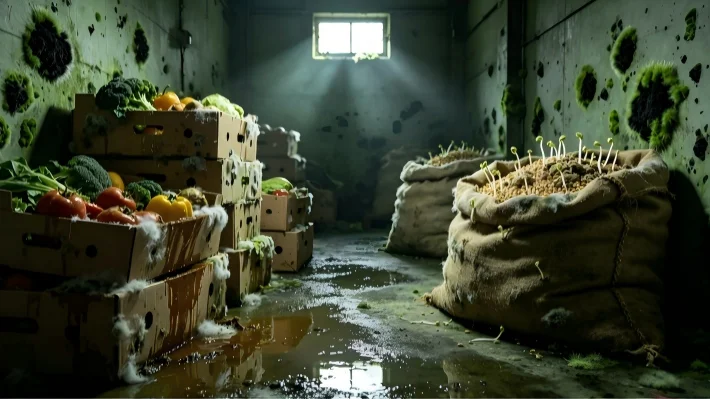
- High humidity can lead to:
- Fungal diseases such as mold, mildew, and blight
- Rotting of fruits, vegetables, and roots
- Reduced photosynthesis efficiency due to excessive moisture
- Poor crop quality and lower market value
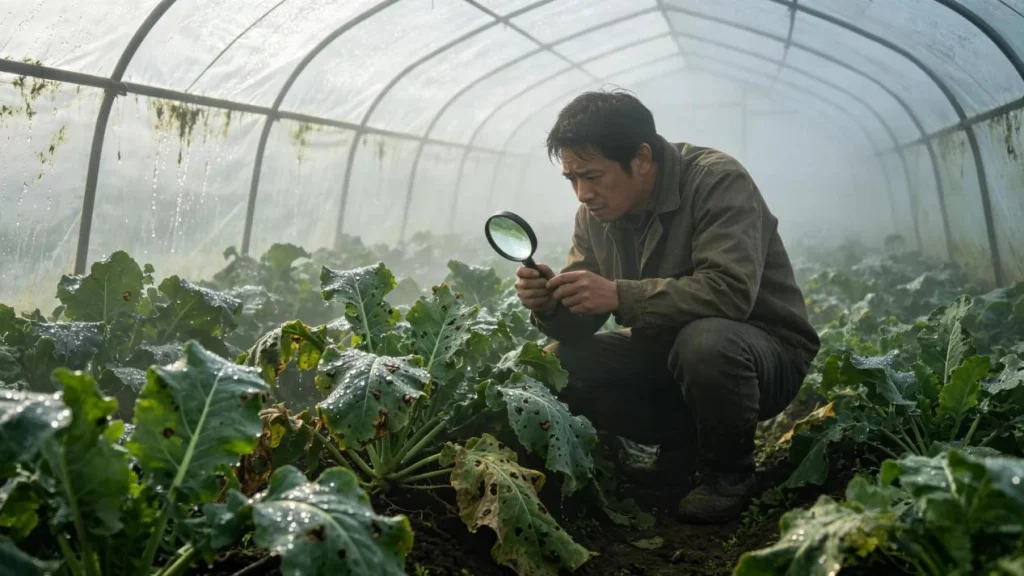
Even slight increases in humidity can accelerate plant disease cycles, resulting in reduced yields and significant financial losses for farmers.
2、Reduced Storage Quality and Shelf Life
- High humidity can lead to:
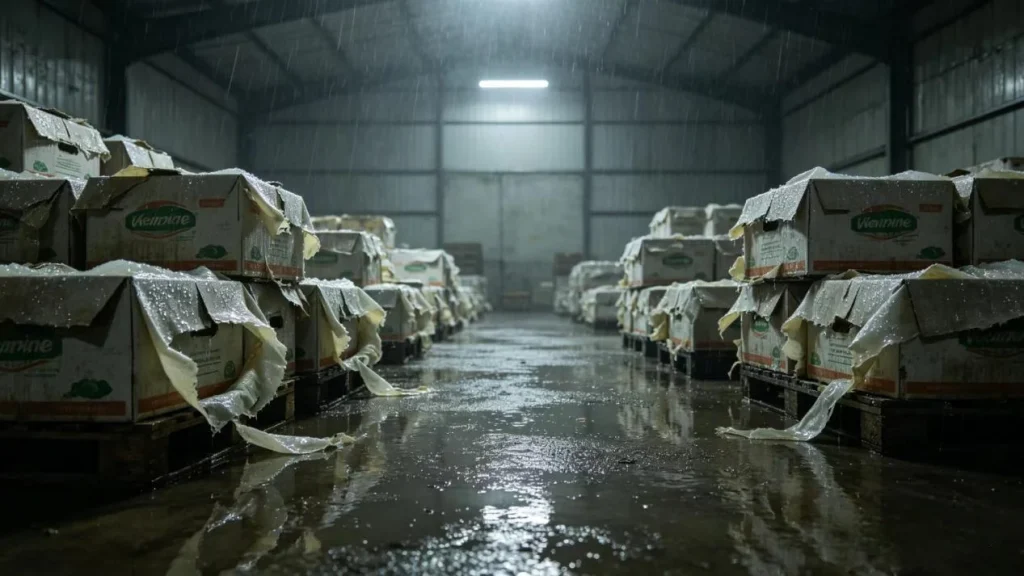
When harvested crops are exposed to high humidity:
- Grains absorb moisture and become prone to spoilage
- Fruits and vegetables decay faster
- Seeds lose viability and germination rates decline
- Stored products become vulnerable to pests and microbial growth
This leads to post-harvest losses and limits the ability to store and sell produce over time.
3、Equipment and Facility Impact

High humidity also affects agricultural infrastructure:
- Condensation inside greenhouses and storage units
- Rust and corrosion on farming equipment
- Damage to irrigation and ventilation systems
- Increased maintenance and repair costs
Over time, this reduces equipment lifespan and increases operational expenses.
4、Impact on Livestock Health
Excess humidity creates unhealthy conditions in animal housing:
- Growth of bacteria and harmful pathogens
- Increased risk of respiratory diseases
- Wet bedding and poor sanitation conditions
- Heat stress due to higher perceived temperatures
This negatively affects animal welfare, productivity, and overall farm output.
5.Ideal Humidity Levels for Agricultural Environments
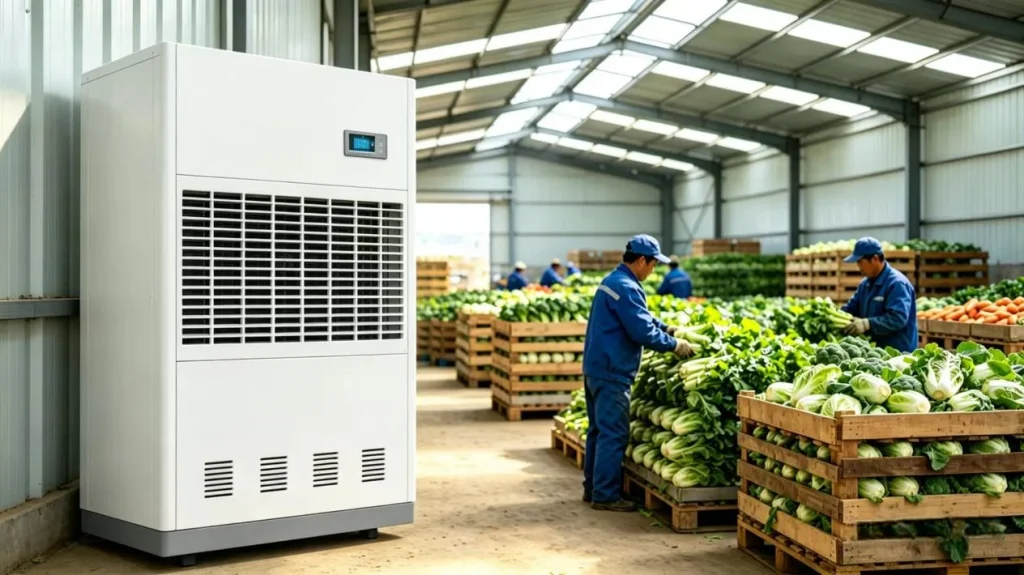
Maintaining proper humidity is essential for different agricultural applications:
- Greenhouses: 50% – 70% RH (depending on crop type)
- Grain storage: 40% – 55% RH
- Seed storage: 30% – 50% RH
- Livestock housing: 50% – 70% RH
Controlling humidity within these ranges helps ensure optimal growth, storage stability, and animal health.
- Effective Solution: Agricultural Dehumidification
The most effective way to control humidity in agricultural environments is by using industrial dehumidification systems.
Key benefits include:
- Consistent and precise humidity control
- Prevention of crop diseases and spoilage
- Extended storage life of harvested products
- Improved livestock living conditions
- Reduced maintenance and operational costs