
Introduction
Humidity is one of the most overlooked factors in warehouse management, yet it has a direct impact on product quality, storage efficiency, and operational costs.
Excess moisture in the air can silently damage goods, reduce shelf life, and even compromise structural safety. For industries such as food, pharmaceuticals, electronics, and textiles, uncontrolled humidity is not just a minor issue—it’s a critical risk.
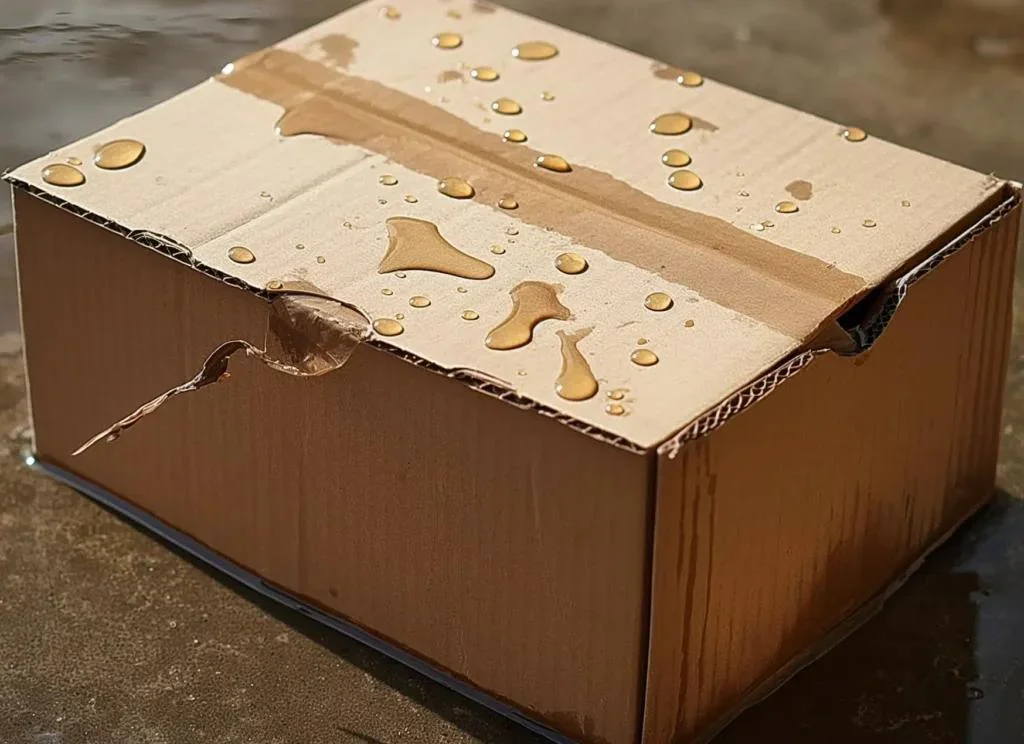
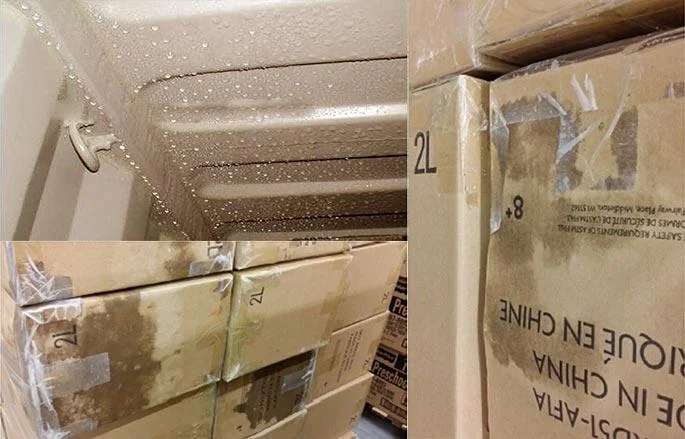
1. Product Damage and Financial Loss
High humidity can lead to:
-
Mold and mildew growth on packaging and products
-
Corrosion of metal components and equipment
-
Moisture absorption in paper, textiles, and wood
-
Spoilage of sensitive goods such as food and pharmaceuticals
Even a small increase in humidity can significantly reduce product quality, leading to returns, waste, and financial losses.
2.Reduced Storage Efficiency
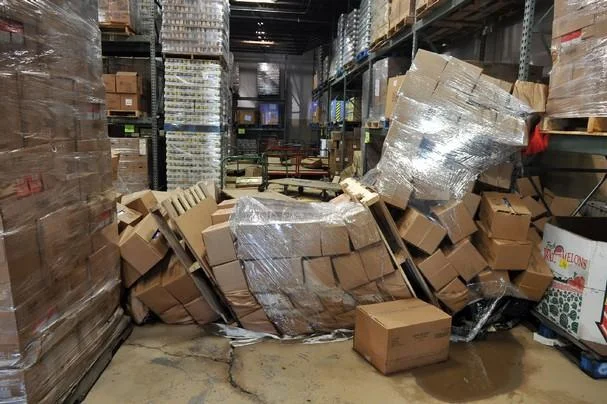
When goods are affected by moisture:
-
Packaging weakens and collapses
-
Stacking height must be reduced
-
Storage space is used less efficiently
-
Inventory turnover slows down
This means warehouses cannot fully utilize their available space, increasing operational costs.
3. Equipment and Infrastructure Issues
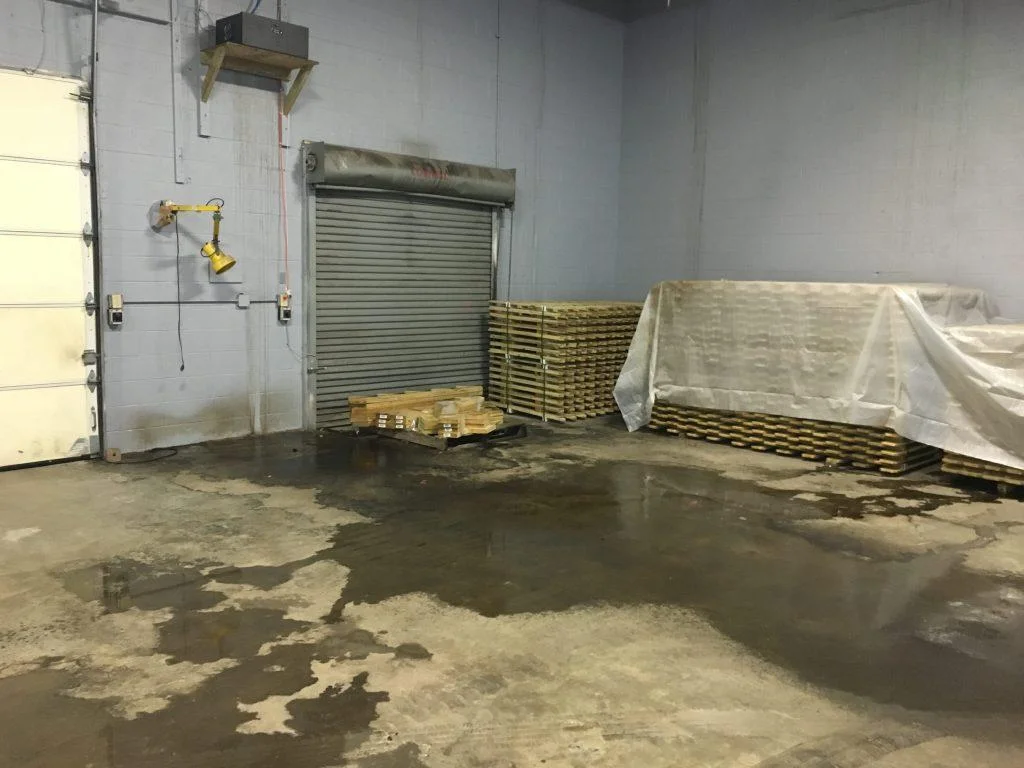
High humidity doesn’t just affect products—it also impacts the facility itself:
-
Condensation on ceilings and walls
-
Rust on machinery and forklifts
-
Electrical system failures
-
Increased maintenance costs
Over time, this leads to higher repair expenses and potential safety hazards for workers.
4. Impact on Workforce Productivity
Excess humidity creates an uncomfortable working environment:
-
Increased heat perception
-
Slippery floors due to condensation
-
Poor air quality
This can reduce employee productivity and increase the risk of workplace accidents.
5. Ideal Humidity Levels for Warehouses
For most warehouse environments, the recommended relative humidity is:
-
General storage: 40% – 60% RH
-
Electronics & pharmaceuticals: 35% – 50% RH
-
Food storage: 50% – 60% RH
Maintaining proper humidity levels ensures product safety and operational efficiency.
6. Effective Solution: Industrial Dehumidification
The most effective way to control humidity in warehouses is by using industrial dehumidification systems.
Key benefits include:
-
Stable and continuous humidity control
-
Protection of goods and packaging
-
Improved storage efficiency
-
Reduced maintenance and operational costs
Advanced systems can operate efficiently even in low-temperature environments and integrate with fresh air systems for better air quality.
Conclusion
High humidity is a hidden threat that can significantly reduce warehouse storage efficiency and profitability.
By implementing proper humidity control solutions, businesses can protect their inventory, optimize space utilization, and improve overall operational performance.
If you are facing humidity issues in your warehouse, feel free to contact us for a customized dehumidification solution tailored to your application.